
Itinerary of Your Journey Through Egypt
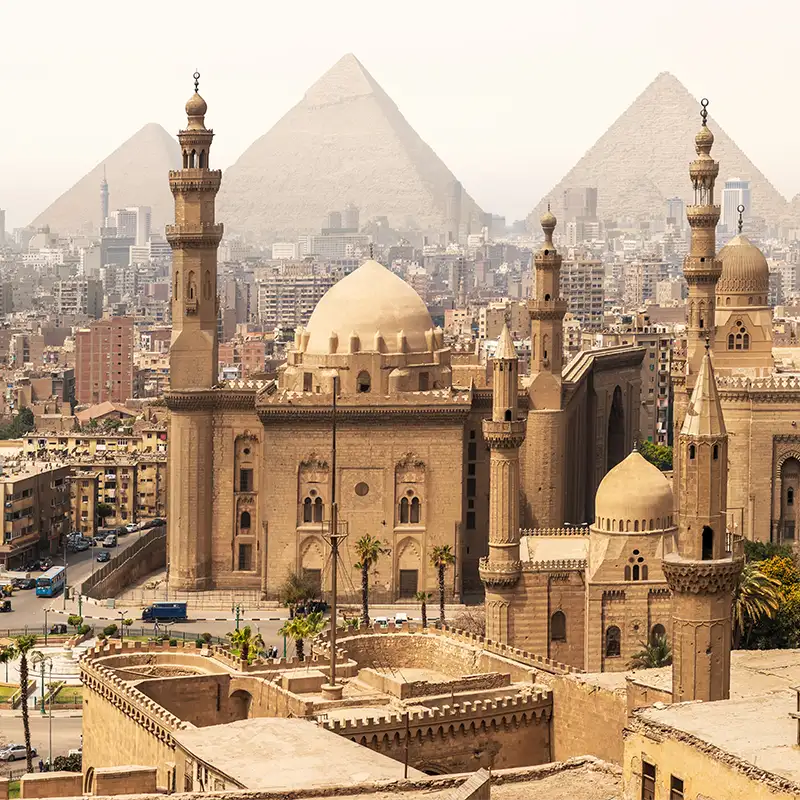
Cairo with the Pyramids of Giza
Day 1: Arrival in Cairo
You have arrived in Kemet—the Black Land—where the Mysteries were born. This is more than a vacation; it is a pilgrimage. Egypt is the wellspring of much of the magic and mystery that forms the foundation of countless modern spiritual and metaphysical systems, and here, the veil between worlds has always been thin. Tonight, as you settle into your accommodations, begin the process of shifting consciousness from the mundane world into sacred time. The work begins now.
- Arrive in Cairo and transfer to the Hyatt Regency Cairo West
- Settle into your accommodations and begin attuning to the land
- This evening is yours to explore
“The gates of the horizon are opened, its doorbolts are drawn back.”
— From the Coffin of Nekht-Ankh (discovered at Deir Rifeh, 1905)
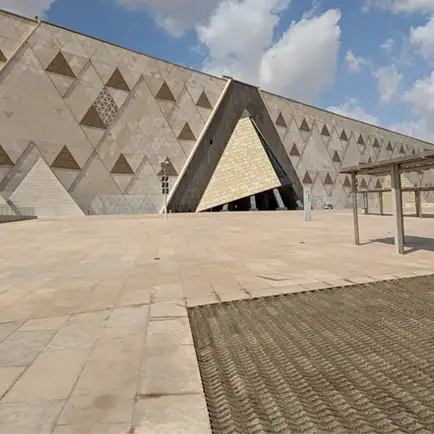
The Grand Egyptian Museum
Day 2: Grand Egyptian Museum
The Grand Egyptian Museum houses the greatest collection of magical artifacts ever assembled. The Egyptians believed the only organ essential to the afterlife was the heart—the seat of the soul—for all else could be replaced by magic. Here you will encounter gilded coffins inscribed with spells, shabtis enchanted to serve the deceased, and amulets of healing and protection. The golden death mask of Tutankhamun remains the centerpiece—a boy-king transformed into a god. These are not mere relics. They are magic made manifest.
- Meet your hosts and fellow pilgrims
- Explore the Grand Egyptian Museum's extraordinary collections
- Witness the sacred Solar Boat built to carry the pharaoh Khufu across the celestial waters
- Breakfast at the Hyatt Regency Cairo West
- Lunch at the Grand Egyptian Museum
- Welcome dinner at Pier88, one of Cairo's most celebrated Italian restaurants
- All meals included

The pyramids and the Sphinx
Day 3: The Pyramids and the Sphinx
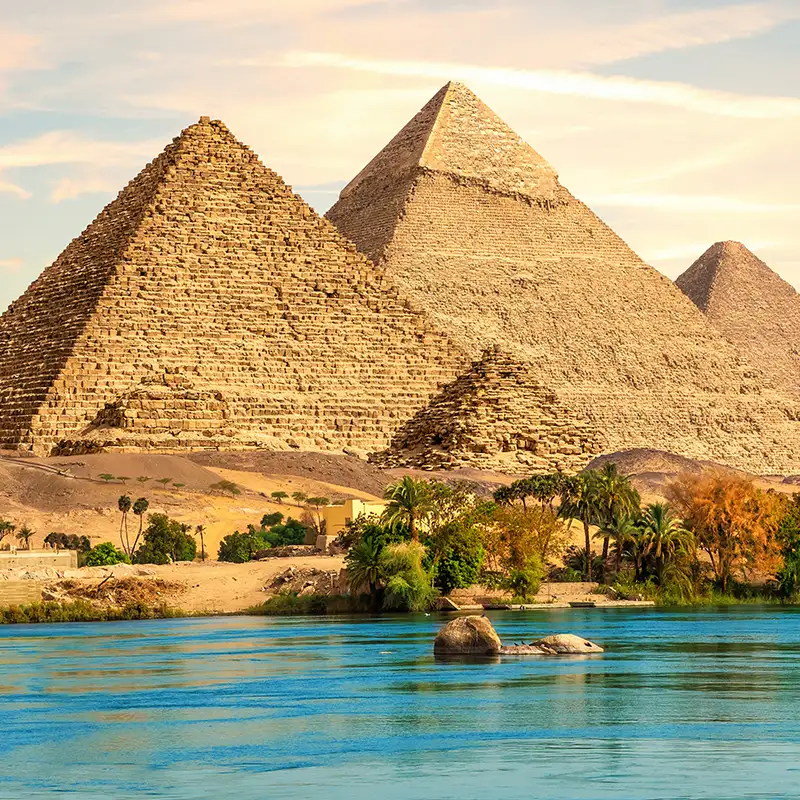
The pyramids of Giza were not merely tombs—they were resurrection machines. Their smooth, sloping sides recreate the sun's rays descending from heaven to earth, along which the king could ascend to join the gods. Each pyramid represented the primordial mound of creation, its capstone a gilded replica of the Benben—the sacred stone at Heliopolis where the creator first emerged at the dawn of time. These were places of immense magical potency where the deceased could renew their life-force. Before them crouches the Great Sphinx, guardian of the necropolis, whom the ancients called Horemakhet—Horus of the Horizon.
- Lunch at Khufu's, Egypt's most acclaimed restaurant, set within the pyramid complex itself with unobstructed views of the ancient wonders
- Walk the Giza plateau in the shadow of the Great Pyramids
- Enter the Great Pyramid of Khufu and ascend to the King's Chamber
- Stand before the Great Sphinx, solar guardian of the sacred necropolis
- Dinner at Andrea Mariouteya, a legendary open-air grill with fresh-baked bread and charcoal-roasted chicken
- All meals included
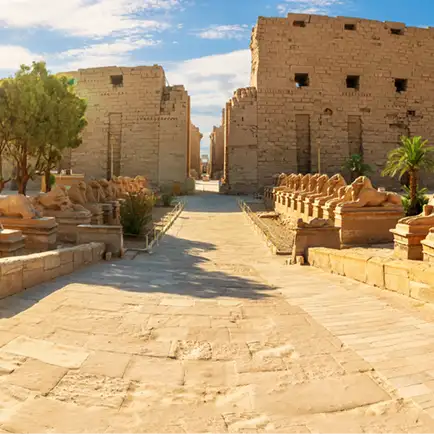
Karnak's hypostyle hall alive with shadow and stone.
Day 4: The Temple of Karnak
Today you fly south to Luxor—ancient Thebes—and board your private Dahabiya to begin your journey along the sacred Nile. This afternoon, enter the sacred precincts of Karnak, the greatest temple complex ever built. Here, Amun-Ra reigned as King of the Gods, his presence felt everywhere. The Temple of Amun-Ra employed over 80,000 people and owned more land than the king himself; its priesthood wielded unprecedented power. As you walk between towering columns that dwarf the human form, remember: the Egyptians believed that every temple recreated the Island of Creation, the first land to emerge from the primordial waters. You are walking on holy ground.
- Fly from Cairo to Luxor (flight included)
- Board your private Dahabiya for the journey upriver
- Enter the vast temple complex of Karnak, seat of Amun-Ra's power
- Honor Amun-Ra, the Hidden One, King of the Gods at his Holy of Holies
- All meals included
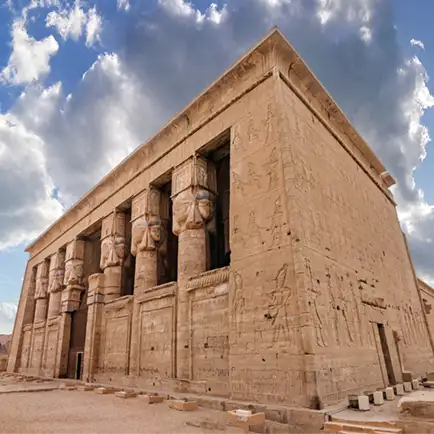
The Temple of Hathor at Dendera
Day 5: The Temple of Hathor
Hathor was the golden goddess of love, beauty, music, and ecstatic celebration—and the Lady of the West who welcomed the dead into her arms and eased their transition from death to new life. Her name means "House of Horus," for she was both mother and consort to the falcon god, and it was she who restored his sight after Seth tore out his eye. At Dendera, her temple still bears the grooves worn by pilgrims who scraped particles of sacred stone to drink in water or wear as amulets. The crypts beneath the temple—still visited today by those seeking fertility and healing—were places of powerful magic where dwarf amulets of Bes were obtained to aid in childbirth. Her priesthood practiced rites that helped form the basis of modern metaphysical practices: healing, manifestation, moonlit gatherings, and initiation into the sacred mysteries.
- Enter the Temple of Hathor at Dendera with its famous zodiac ceiling
- Experience the sacred crypts where healing magic was practiced for millennia
- Witness the grooves worn into temple columns by ancient pilgrims seeking sacred stone
- Return to your Dahabiya for the evening
- All meals included
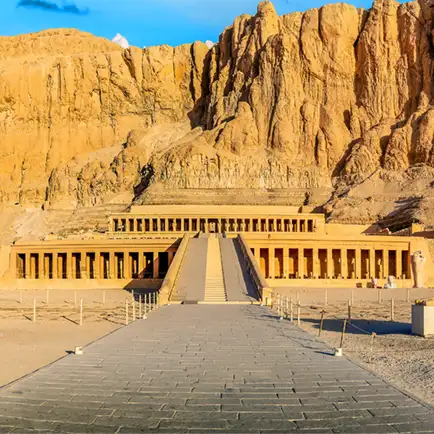
The mortuary temple of Hatshepsut
Day 6: The Valley of the Kings
Cross to the West Bank—the realm of the dead, where the sun sets each night to be reborn. The ancient Egyptians held the Festival of the Valley here, when the people of Thebes would cross the Nile in a grand procession, and wealthy families would feast with their dead in the forecourts of their ancestral tombs. In the Valley of the Kings, you will descend into tombs whose walls are inscribed with the Books of the Underworld—the Amduat, or "Book of What Is in the Netherworld," and the Book of Gates—which chart the sun god's perilous journey through the twelve hours of night. As his rays illuminated each cavern, the dead awakened; when he passed, they returned to sleep until the next night. The king followed this same path to his own resurrection at dawn. The tomb of Seti I contains some of the finest examples of these sacred texts ever created.
- Cross to the West Bank and enter the Valley of the Kings
- Explore the mortuary temple of Hatshepsut
- Descend into the tombs of Seti I and Tutankhamun
- Walk the processional route of the ancient Festival of the Valley
- Return to the Dahabiya for evening sailing
- All meals included
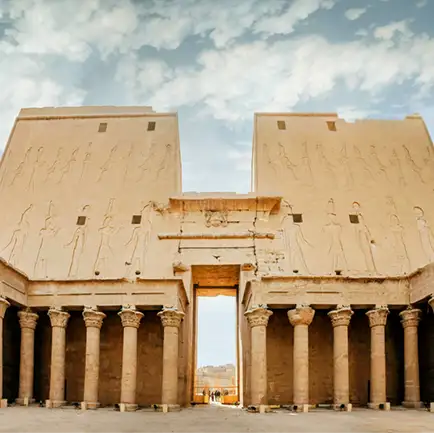
The Temple of Horus at Edfu
Day 7: The Temple of Horus at Edfu
The Temple of Horus at Edfu is the most preserved temple in all Egypt, and its walls tell the story of the eternal conflict between order and chaos. Here, the forces of good—represented by Horus—triumph over the forces of evil, represented by Seth in the form of a hippopotamus shown deliberately small because to depict evil at full power would be to empower it. This is magical technique as well as artistic convention. The inscriptions at Edfu contain the Building Texts that explain how the temple recreates the Island of Creation, and the Sacred Drama of Horus's victory was enacted here annually. You are entering a place where the triumph of light over darkness was ritually renewed.
- Travel by shuttle to the Temple of Horus at Edfu
- Explore the best-preserved temple in Egypt
- Study the wall reliefs depicting the triumph of Horus over Seth
- Return to the Dahabiya to journey further upriver
- All meals included
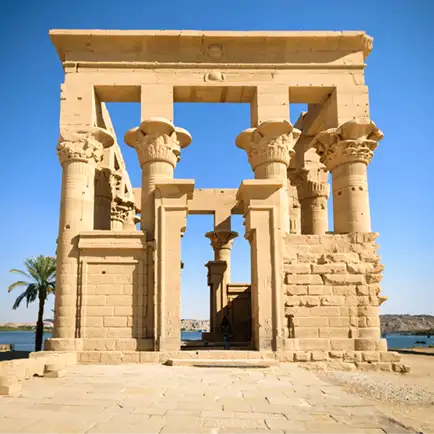
The Temple of Isis at Philae
Day 8: The Temple of Isis at Philae
Isis was the Goddess of all mysteries and magic—she who gathered the scattered limbs of Osiris and restored him to life, who forged his golden phallus and conceived Horus, the divine child. But how did Isis gain such power? Ancient texts tell how she tricked Ra into revealing his secret name, and with it claimed mastery over all creation. Her cult spread across the ancient world, and her priesthood engaged in practices later associated with numerous spiritual and metaphysical traditions. At Philae, she was Lady of Heaven, Earth, and the Netherworld—"all that has been, and is, and shall be, and my robe no mortal has yet uncovered." Today, we lift the veil.
- Take a boat to the island temple of Philae, rescued from the rising waters
- Enter the sanctuary of Isis, Goddess of Magic, for a private sacred rite within her temple walls
- Experience the Sound and Light Show as the temple is illuminated against the night sky
- Return to the Dahabiya for dinner and a performance by a Sufi whirling dervish—a sacred meditation in motion, spinning toward union with the Divine
- All meals included
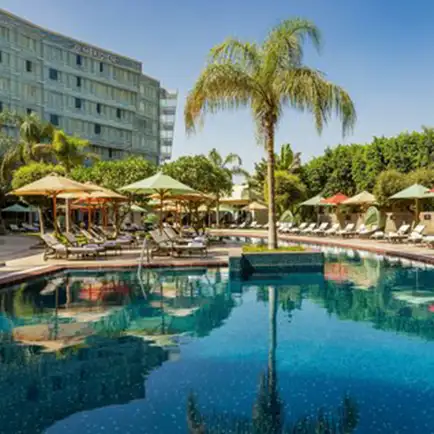
Le Méridien Cairo Airport
Day 9: Return to Cairo
The journey along the Nile ends where it began—in the land of the living. This morning, bid farewell to your Dahabiya and fly north to Cairo. The rest of the day is yours: rest, reflect, or explore on your own. Tonight, gather one last time for a farewell dinner at Sachi Heliopolis, one of Egypt's most celebrated restaurants, where Mediterranean and Asian flavors merge in a fitting finale to your pilgrimage. Tomorrow, you depart—but what you carry with you remains.
- Breakfast on board the Dahabiya
- Fly from Aswan to Cairo (flight included)
- Transfer to the Le Méridien Cairo Airport for your final night
- Afternoon at leisure
- Farewell dinner at Sachi Heliopolis, recognized as one of the best restaurants in Egypt and the Middle East.
- All meals included
Day 10: Departing Egypt
Every initiation requires a return. You have walked the halls where resurrection magic was born, stood before the tombs of god-kings, and entered temples where the Mysteries were enacted for millennia. You carry something back with you now—a connection to the oldest magical tradition in the Western world, the source from which so much of our Craft has flowed. The journey along the Nile ends, but the work continues. Go forth as those ancient pilgrims did: transformed.
“Thou didst not depart dead; thou didst depart living.
So thou sittest upon the throne of Osiris, thy sceptre in thy hand, thou commandest the living.”
— Utterance 213 of The Pyramid Texts (translation by Samuel A.B. Mercer)